

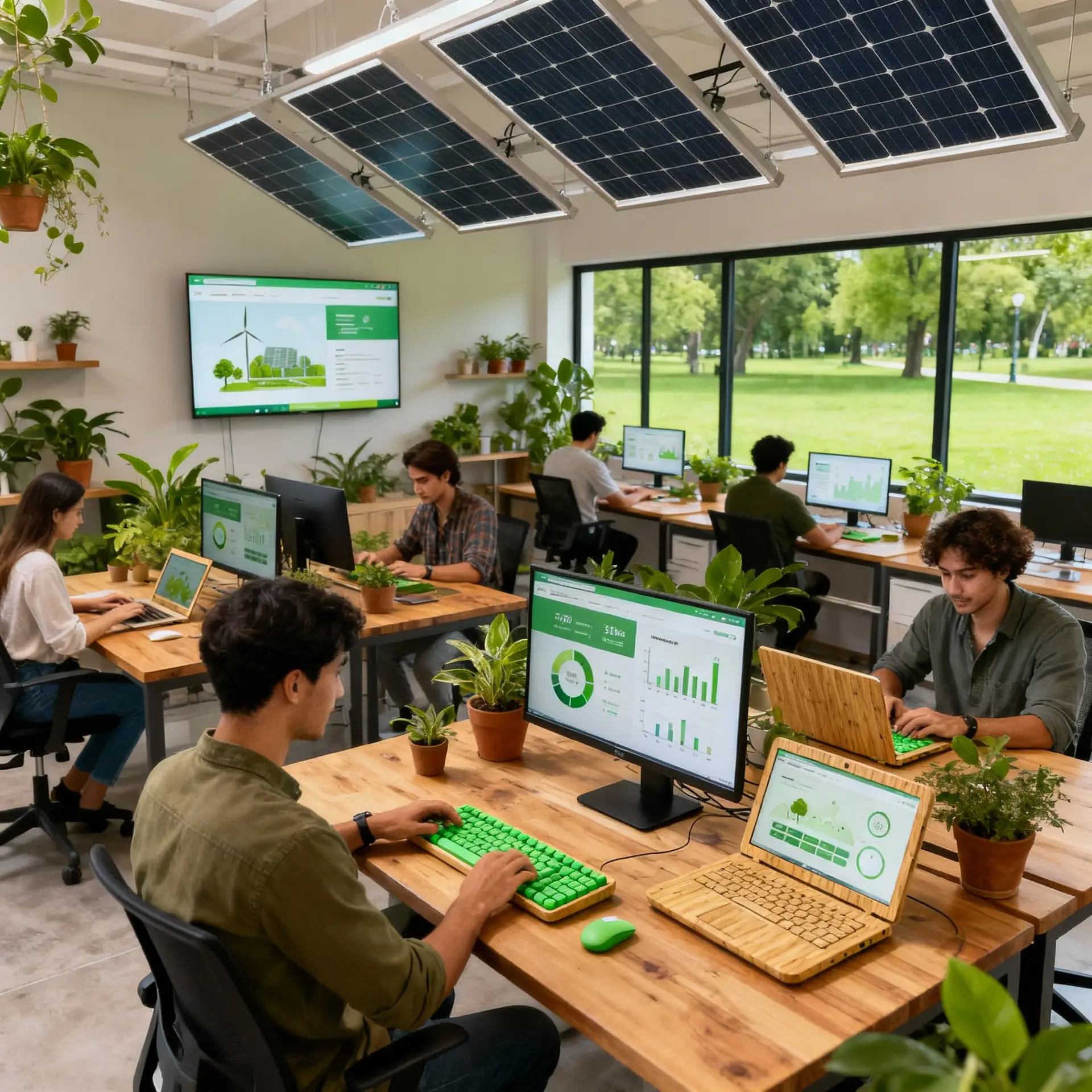
Sustainable Web Design: Eco-Friendly Digital Solutions for 2025
Executive Summary
Sustainable web design is rapidly evolving from a trend to a business necessity, driven by growing climate awareness and consumer demand for responsible digital practices. In 2025, this approach focuses on minimizing environmental impact through optimized code, energy-efficient user experiences, ethical hosting choices, and streamlined media management. Companies embracing eco-friendly digital solutions gain reduced carbon footprints, cost savings, brand loyalty, and improved performance.
Introduction: Why Sustainability Matters in Web Design
The internet now accounts for ~3.7% of global carbon emissions, surpassing even aviation in its environmental footprint. With the average website producing up to 1.76g of CO₂ per page view, digital products are far from intangible—they contribute tangibly to climate change. Forward-thinking businesses recognize that every website visit, file download, and app interaction has real-world impact, and are reimagining their digital presence to be part of the solution.
Core Principles of Sustainable Web Design
1. Energy Efficiency
- Optimize backend and frontend code to reduce server and device energy consumption.
- Use technologies like caching, lean JavaScript, and minimal frameworks.
- Prioritize mobile-first layouts, which are naturally efficient and reduce resources needed for browsing.
2. Resource Optimization
- Compress images using next-gen formats (WebP), lazy load assets, and minimize large video files.
- Regular content audits eliminate outdated media and code from servers, cutting unnecessary energy costs.
3. Ethical Hosting
- Select hosting providers powered by renewable energy and efficient infrastructure.
- Local hosting, where relevant, reduces the energy required for long-distance data transfer.
4. Sustainable UX/UI
- Design streamlined, accessible sites that serve users quickly and clearly, minimizing server requests and energy use.
- Adopt system fonts and efficient typography to reduce downloads and data transfer.
- Enable dark mode options, which can lower device power consumption by over 60%.
5. Inclusivity and Accessibility
- Accessible design lowers barriers, improves site clarity, and often leads to more efficient code and better usability for all.
Implementation Strategies: Steps to a Greener Website
- Switch to Green Hosting: Partner with providers using renewable energy and eco-friendly data practices.
- Optimize All Visual Media: Use compressed images, strategic video usage, and lazy loading to speed up pages and cut energy costs.
- Conduct a Content Clear-Out: Remove unused files from the CMS, archive outdated pages, and regularly audit server storage.
- Focus on “Clean Code”: Eliminate bloat, use modular design, and implement a “Green Code Audit” to streamline functionality for performance and sustainability.
- Enable Caching and Leverage CDNs: Reduce server requests and transfer energy by implementing caching and distributing data using content delivery networks (CDNs).
- Design for Longevity: Build modular, future-proof interfaces that minimize frequent redesigns and reduce digital waste over time.
Measurable Benefits of Eco-Friendly Web Design
| Benefit | Impact |
|---|---|
| Reduced Carbon Footprint | Fewer resources used per visit; sites use up to 50% less energy after optimization |
| Faster Website Performance | Streamlined sites load more quickly, improving UX and search ranking |
| Lower Hosting Costs | Efficient infrastructure and local hosting cut operational expenses |
| Stronger Brand Reputation | Demonstrates environmental commitment, boosting trust among eco-aware consumers |
| Improved SEO | Sustainable design often overlaps with search best practices (speed, clarity, accessibility) |
Case Studies
- E-Commerce Redesign: An online retailer reduced page load times by 50% and carbon emissions by 40% through eco-friendly web strategies—leading to better user retention and lower costs.
- Sustainable Blog: Using mobile-first layouts and caching, a blog cut energy use per page by 60%, proving content-driven sites can be both sustainable and engaging.
Conclusion: Make Sustainability Central to Digital Strategy
Sustainable web design delivers benefits far beyond environmental impact: it creates faster, leaner, and more resilient sites while strengthening business reputation and user experience. As regulations shift and consumer expectations rise, businesses that embrace eco-friendly digital solutions will lead the way—making every pageview part of a greener future